
Past Exhibitions
Bringing the World to Hope:Ten Years of the Kruizenga Art Museum The Kruizenga Art Museum (KAM) first opened its doors on September 8, 2015, with a mission to educate, engage, and inspire the students, faculty, staff, and alumni of Hope College by exhibiting art from a wide variety of world cultures and historical periods. This exhibition was a retrospective, featuring highlights from 19 exhibitions that were shown at the KAM during the fall and spring academic semesters from 2015 to 2025. The exhibitions were arranged chronologically and included brief descriptions of each show’s contents.The KAM is immensely grateful to all the donors whose gifts of artworks and funds have supported the museum’s first ten years of exhibitions. The museum also thanks all the students who participated in the exhibitions as interns and guest curators, and the faculty members who mentored them. |
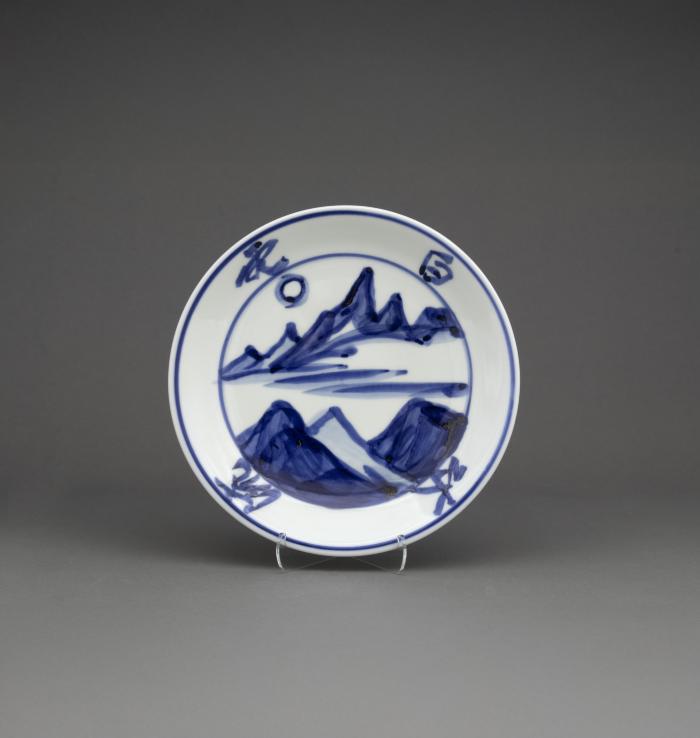
Dish with Landscape Design. Kondo Yuzo (Japanese, 1902 – 1985). 1970s. Glazed porcelain, cobalt. Gift of Maurice Kawashima, 1990.3.28 |
Telling Their Stories:Student-Curated Focus Exhibitions In Spring 2023, the KAM launched a new series of small focus exhibitions in which students from Hope College’s various multicultural student organizations (MSOs) were invited to select artworks from the museum’s collection, and to write labels explaining why they chose the artworks and what the artworks mean to them. The first student group to participate in the new exhibition series was Women of Color United (WOCU). Other student groups that have participated in the series since Spring 2023 include the Black Student Union (BSU), the Asian Student Union (ASU), the Latino Student Organization (LSO), and Prism (Hope’s LGBTQ+ student group). Telling Their Stories and other KAM focus exhibitions are supported by the David and Jane Armstrong Focus Exhibition Endowment. View current and past student-curated exhibitions in the KAM's collections database. |
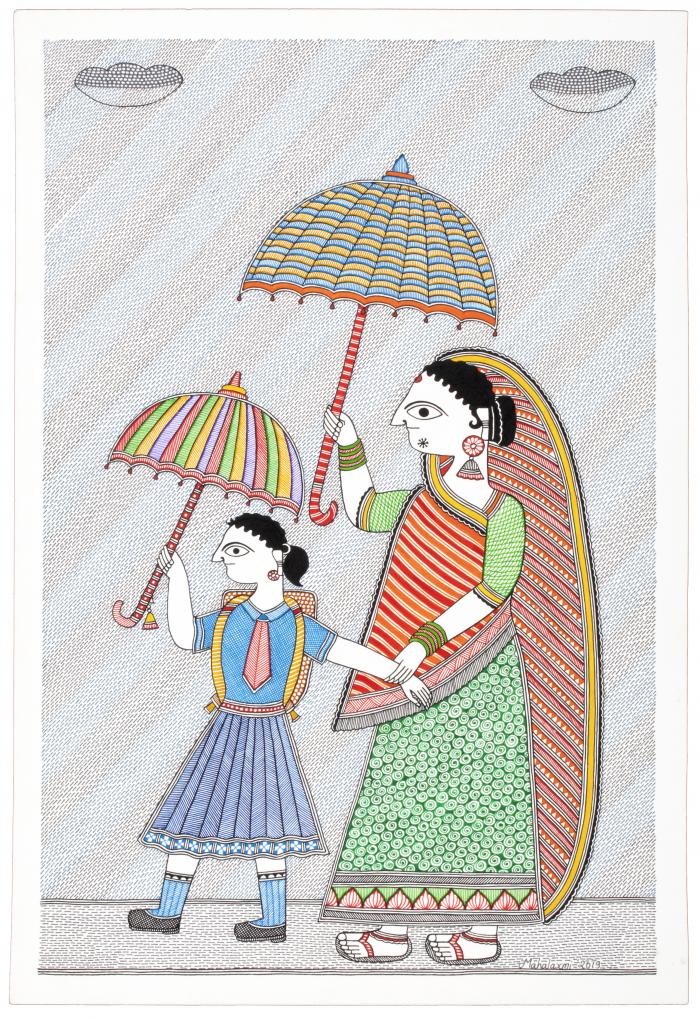
Mother and Daughter Going to School. Mahalaxmi Karn (Indian, b. 1988). 2019. Ink on paper. Hope College Collection, 2020.29 |
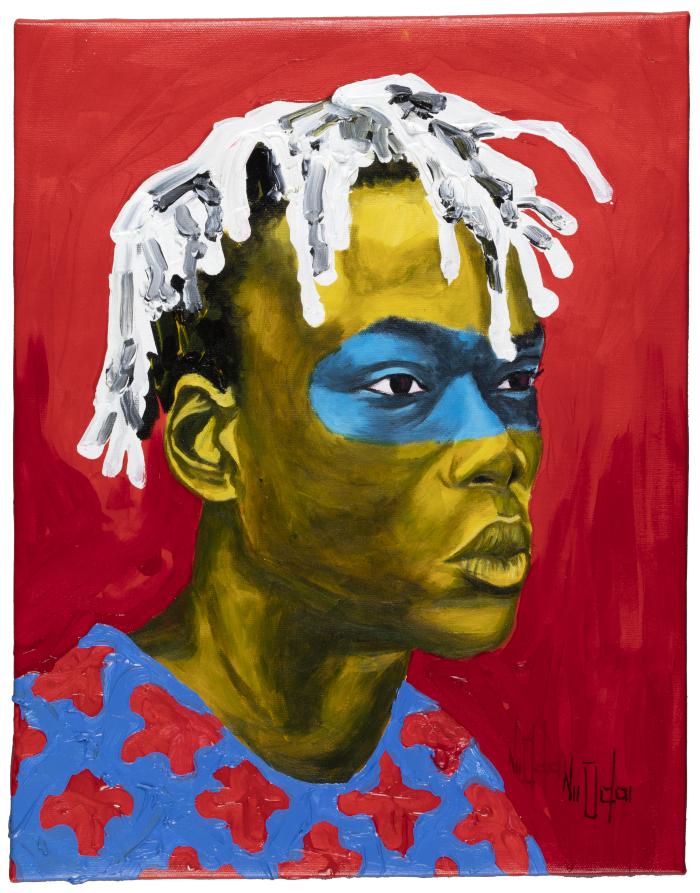
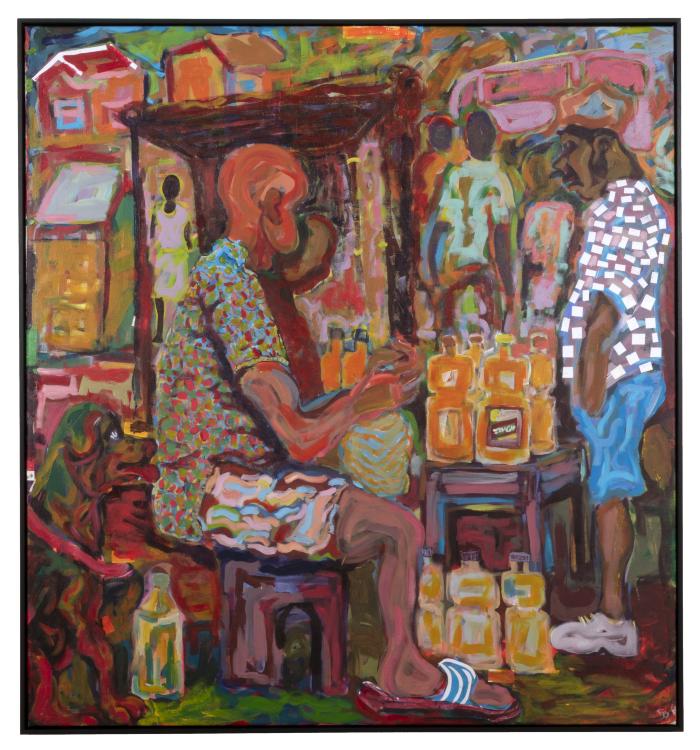
Recent acquisitions of contemporary artJune 6–August 2, 2025 The primary mission of the Kruizenga Art Museum is to support the academic curriculum of Hope College and to help prepare Hope students for lives of leadership and service in a global society. The artworks displayed in this exhibition were all acquired by the KAM between 2022 and 2025. Collecting global contemporary art can be difficult. The market is vast and challenging to monitor. Nevertheless, the KAM regularly pursues contemporary acquisitions in support of the belief in the importance of exposing Hope students to a wide range of current artworks and cultural perspectives that will broaden their minds and enrich their spirits. |
The Face I Can't Forget, Theophilus Tetteh (Ghanaian, b. 1991) 2022. Acrylic on canvas.Hope College Collection, purchased with funds donated by Ronald ’62 and Gerri Vander Molen, 2023.10 |
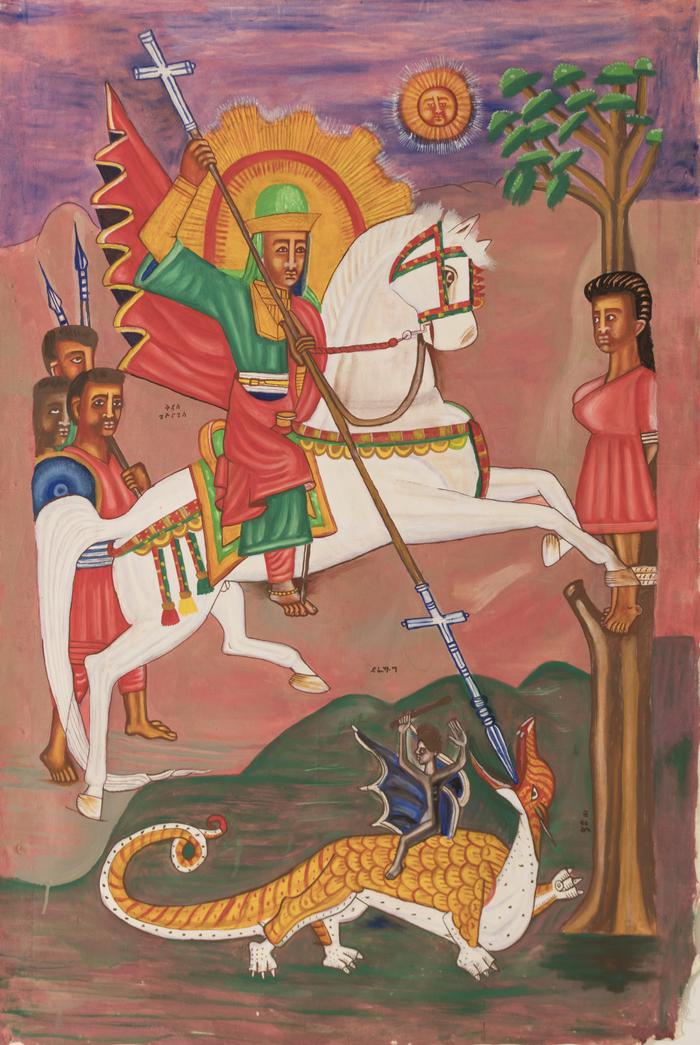
Saints and Syncretism in Global Christian ArtJanuary 14–May 17, 2025 Featuring 52 artworks ranging from the 15th to the 21st century, the exhibition explored how, as Christianity spread around the world, the qualities and attributes of Christian saints were often altered to better align with local religious practices and customs. The exhibition was curated by Hope College students working under the supervision of Art History Professor Dr. Anne Heath. |
Saint George Slaying the Dragon, Qes Adamu Tesfaw (Ethiopian, b. 1930) 1997. Paint on cloth. Hope College Collection, Gift of Neal and Elizabeth Sobania, 2018.25.4 |
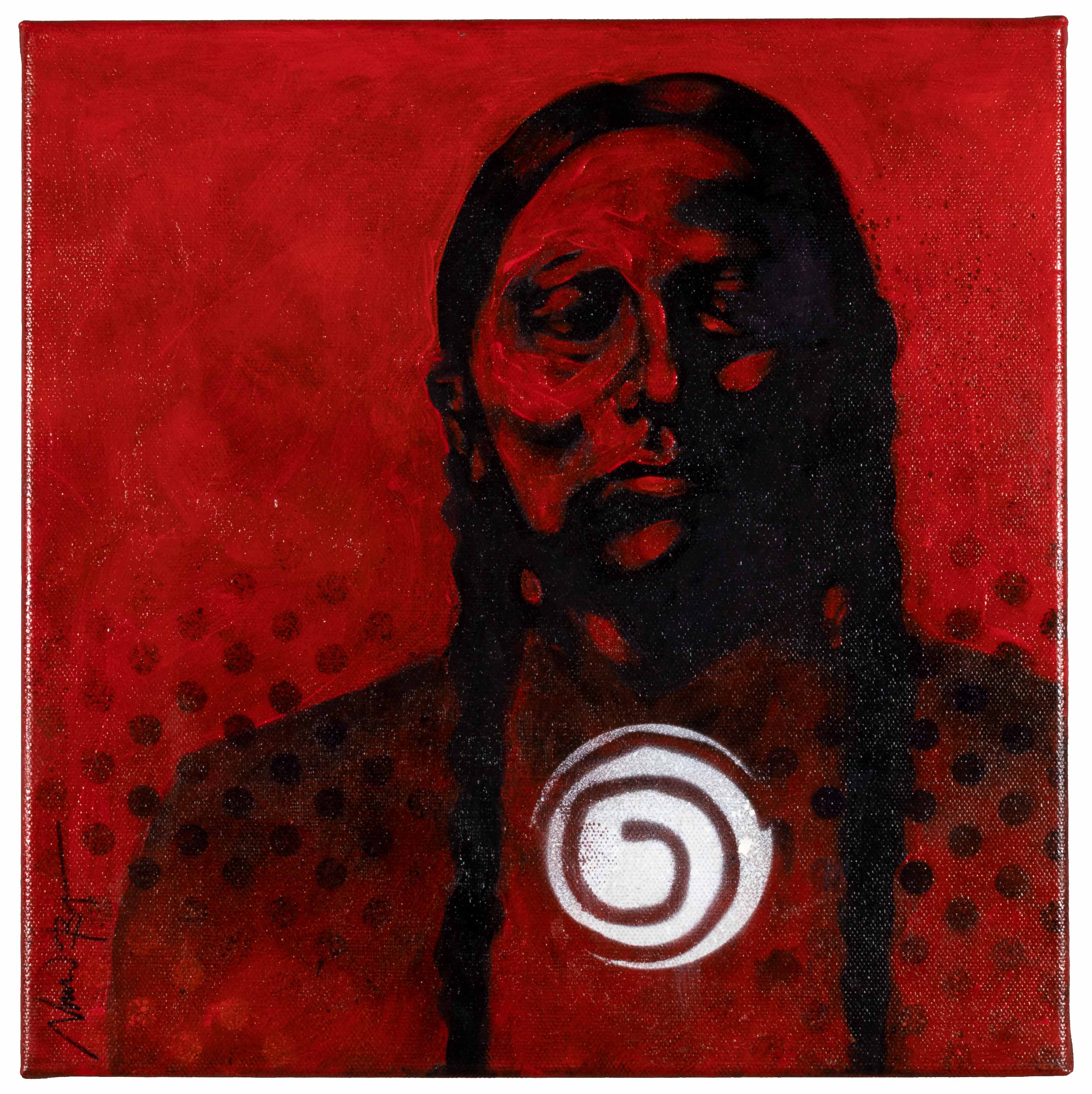
Artist / activist:Speaking Truth to Power Art can be a powerful tool for political, social and cultural change. This exhibition featured 40 artworks by 39 artists from around the globe who used their talents to fight for civil rights, social justice and environmental protections, and to stand up against political oppression, economic inequality and war. The artworks ranged in date from the early 1900s to the early 2020s, and included a mix of paintings, drawings, prints, photographs and three-dimensional objects. All of the artworks in the exhibition belong to the permanent collection of the Kruizenga Art Museum. |
Eka Numu, Red Comanche, Nocona Burgess (American, b. 1969) 2014. Oil on canvas. Hope College Collection, 2021.10 |
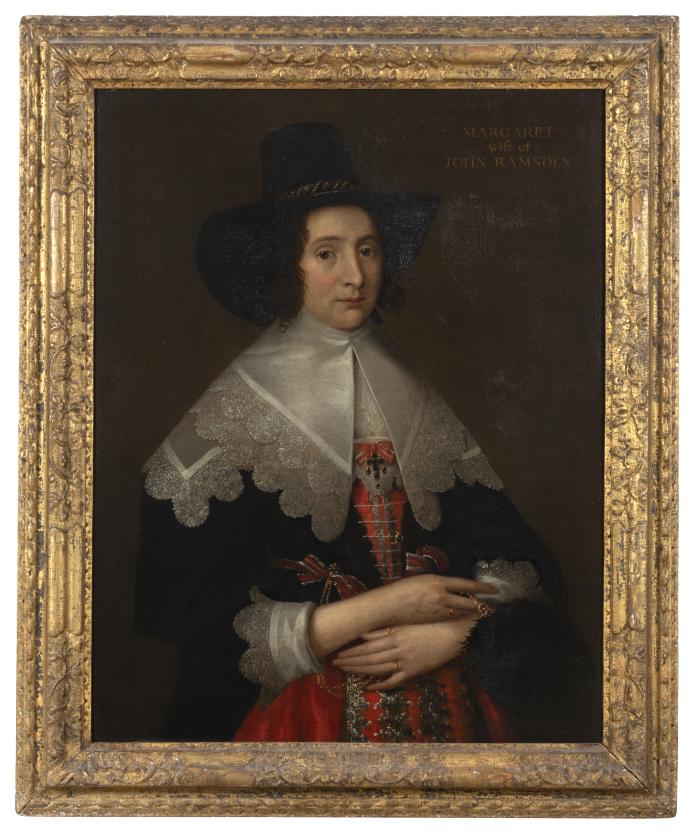
Object Lessons:Selected Gifts from the Kamansky-Wheaton Collection, 2014–2024 This exhibition featured a selection of the artworks that were donated by David Kamansky and Gerald Wheaton from their private collection over the past 10 years. The artworks were chosen by KAM curator Charles Mason to demonstrate the quality of the collection and to illustrate the range of stories the objects tell. Access the Object Lessons catalog through Hope College Digital Commons. |
Portrait of Margaret Ramsden, attributed to: Cornelius Johnson (English, 1593–1661), Circa 1625. Oil on canvas. Hope College Collection, gift of David Kamansky in honor of his husband Gerald Wheaton, 2023.29.3 |
Deep Roots, New shootsJanuary 12–May 18, 2024 Deep Roots, New Shoots featured 40 African artworks created between the 1960s and the early 2020s, all of which belong to the Kruizenga Museum’s permanent collection. The artworks spanned the length and breadth of the African continent, from Morocco to South Africa and Nigeria to Ethiopia. They represented a diverse variety of artistic styles and movements, and reflected a broad range of themes and issues, including celebrations of ethnic and national pride; struggles against various forms of inequality and injustice; and critical reflections on the enduring impacts of colonialism and global consumerism. Access the Deep Roots, New Shoots catalog through Hope College Digital Commons. |
Cookoil pa Speed. Sky Salanje (Zimbabwean, b. 1992), 2022. Acrylic on canvas. Hope College Collection, 2023.28 |
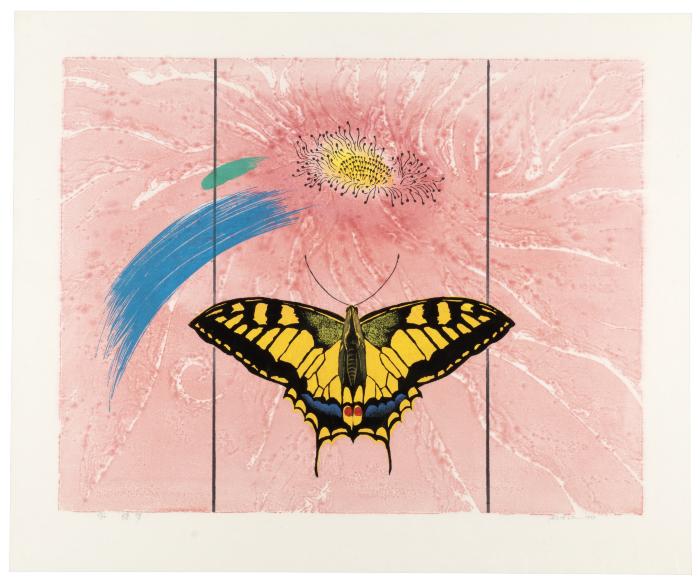
A New Art for a New ChinaAugust 26–December 16, 2023 This exhibition featured a selection of Chinese prints dating from the late 1930s to the early 2020s that reflect the broader history of China and Chinese printmaking during that period. The artworks belonged to a collection of more than 1,500 modern Chinese prints that was formed by Dr. David Ihrman and his late wife Huang Dong Ihrman, and were donated to the Kruizenga Museum in 2021. The Ihrman collection ranks among the largest collections of modern Chinese prints to be found outside of China. Access the A New Art for a New China catalog through Hope College Digital Commons. |
The Dream of the Butterfly. Shao Mingjiang (Chinese, b. 1956), 1993. Woodcut. 2021.2.1100 |
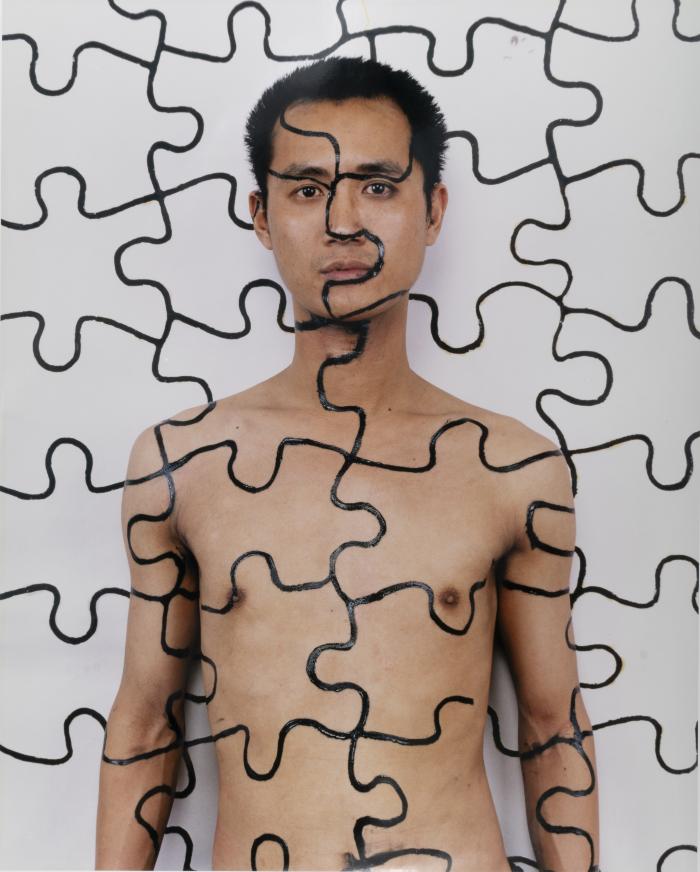
Portrait StoriesEvery portrait tells a story. What’s yours? Portrait Stories was curated by five Hope College students working under the supervision of Kruizenga Art Museum Director Charles Mason. The exhibition featured 49 artworks representing a broad range of cultures, time periods and media. It included portraits by famous historical artists like Rembrandt van Rijn, James Tissot, Kathe Kollwitz and Salvador Dali as well as works by contemporary artists like Rashid Johnson, John Valadez and Zachary Drucker. The artworks in the exhibition were selected by the students to explore different aspects of portraiture and to show how the genre has evolved over time. |
Tattoo Series No. 5. Qiu Zhijie (Chinese, b. 1969), 2000. Dye coupler print. Hope College Collection, 2015.64 |
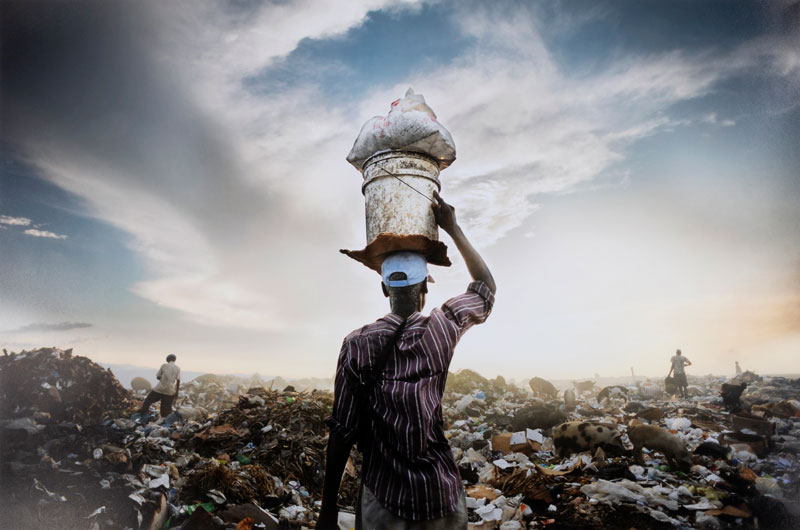
No Planet BSeptember 2–December 10, 2022 No Planet B featured 41 artworks that reflected critically on the many environmental problems that facing our planet, from climate change and sea level rise to industrial pollution and biodiversity loss. The title of the exhibition came from a catchphrase popularized by former United Nations Secretary-General Ban Ki-moon, who said that there can be no plan B for solving the world’s environmental problems because there is no planet B. |
Cité Soleil 15. Antonio Bolfo (American, b. 1981). Archival inkjet print. 2013. Hope College Collection, 2022.49 |
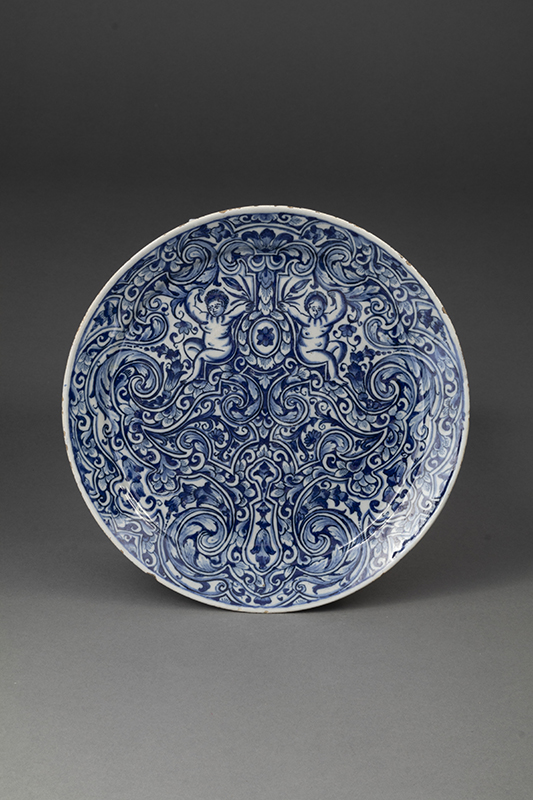
the golden age of dutch delftwareSelections from the Jack E. Lapp Collection The Golden Age of Dutch Delftware: Selections from the Jack E. Lapp Collection featured a selection of 31 pieces of historical and early modern Delftware ceramics drawn from the collection of Hudsonville resident Jack E. Lapp. Formed over a period of 40 years, the Lapp Collection included examples of Dutch Delftware spanning four centuries of production and represented a broad assortment of forms and designs. |
Dish with Baroque Scrolling Design. Dutch, ca. 1720-1740.Tin-glazed earthenware. Loan from the Jack E. Lapp Collection. |
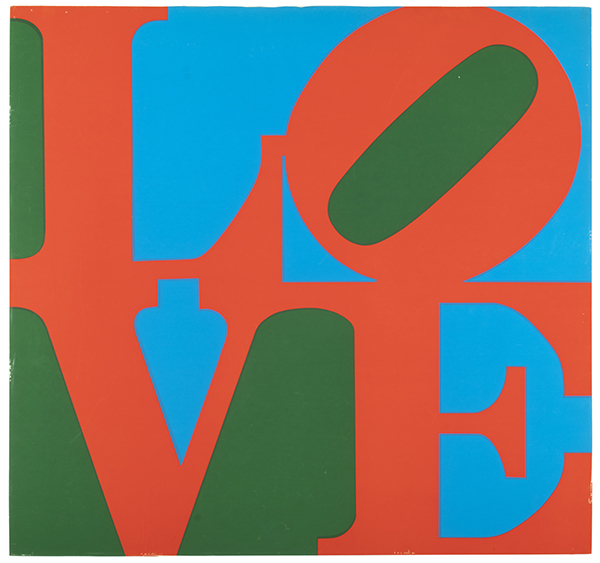
say it loudCelebrating LGBTQ+ Pride The KAM celebrated Pride Month 2022 with Say It Loud: Celebrating LGBTQ+ Pride, an exhibition of 15 artworks by LGBTQ+ artists. Ranging in date from 1911 to 2022, the artworks in the exhibition represented a variety of different countries and cultures. Most of the works were recent acquisitions that had never before been displayed at the museum. |
Love. Robert Indiana (American, 1928–2018). Circa 1968. Lithograph. Gift of Dr. Winton Stephan, 1991.2.5. |
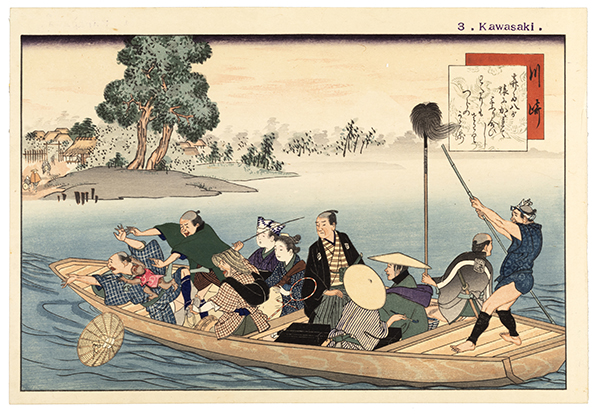
SHANK'S MARE TOKAIDO:Misadventures Along the Eastern Road Shank’s Mare Tōkaidō: Misadventures Along the Eastern Sea Road featured a suite of 60 Japanese woodblock prints depicting places and people along the famous Tōkaidō Road that once ran along the eastern coast of Japan, connecting the cities of Tokyo and Kyoto. The exhibition also included six earlier original woodblock prints of the Tōkaidō by Utagawa Hiroshige, along with paintings, photographs, clothing, household wares and other items that shed additional light on the people, places and things portrayed in the Tōkaidō images. |
Kawasaki. Fujikawa Tamenobu (Japanese, active ca. 1900-1920). 1918. Woodblock print, ink and colors on paper. Hope College Collection, 2014.13.4 |
Color, Texture, Form:Modern European and American Art from the Brummel Collection Color, Texture, Form featured a selection of 62 paintings, drawings, prints and sculptures drawn from the collection of Hope College Class of 1957 alumnus Mike Brummel. Most of the pieces were created by artists active in the cities of New York and Paris during the middle decades of the 20th century. The display included both representational and abstract artwork, and featured a special selection of works by the French artist Françoise Gilot. |
Bird and Blue Flowers (L’oiseau et les fleurs bleues). Françoise Gilot (French, born 1921). Ca. early 1960s. Oil on canvas. Loan from the M.L. Brummel Collection |
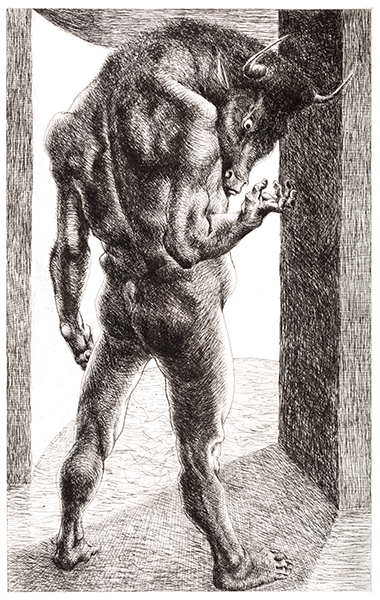
Michael Ayrton's Minotaur SuiteMay 28–August 28, 2021 Michael Ayrton’s Minotaur Suite featured a suite of 10 etchings created by British painter, printmaker and sculptor Michael Ayrton in 1971 that portray the life of the Minotaur, a fearsome half-man, half-bull creature from classical Greek mythology. The 10 prints of the Minotaur Suite were accompanied by 22 additional paintings, drawings, prints and sculptures by Ayrton that illustrated his deep engagement with classical Greek mythology over the last 20 years of his career. Hope College's Professor Emeritus Jack Nyenhuis's scholarship on Michael Ayrton underpinned the interpretive content of this exhibition, and Nyenhuis, along with his wife, Lee, lent or donated many of the artworks included in the display. |
Minotaur Risen, Michael Ayrton (British, 1921-1975), 1971, Etching, Hope College Collection, purchased with funds donated by Mr. and Mrs.George Strumbos, 1988.2.8 |
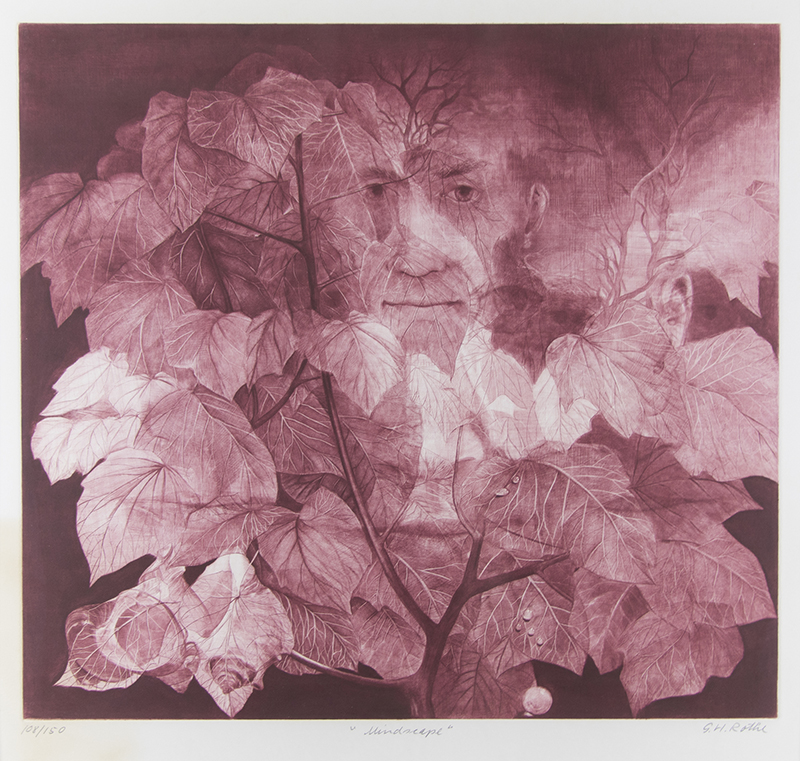
DRAWING WITH LIGHT:Mezzotint Prints from the Rossof Collection Drawing with Light offered a chronological survey of mezzotint printmaking from the 17th century to the present day. It intentionally included works by many different artists representing a broad range of subjects and styles. The majority of the prints featured in the exhibition were donated or lent from the collection of Arthur and Kristine Rossof of Douglas, Michigan. |
Mindscape, Gatja Helgart Rothe (German, 1935–2007), 1977, Mezzotint, Gift of Arthur and Kristine Rossof, 2017.69.5 |
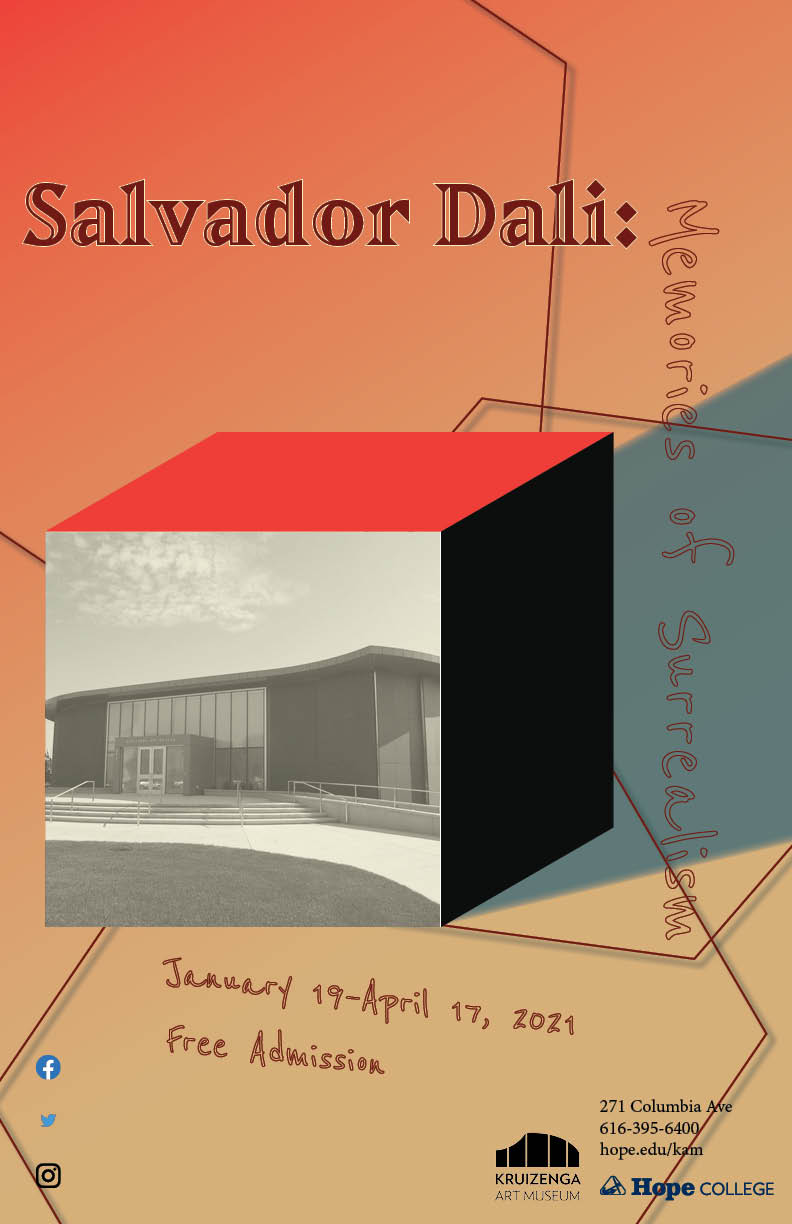
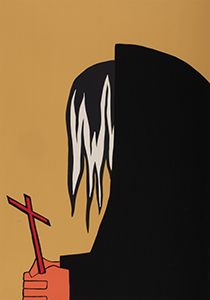
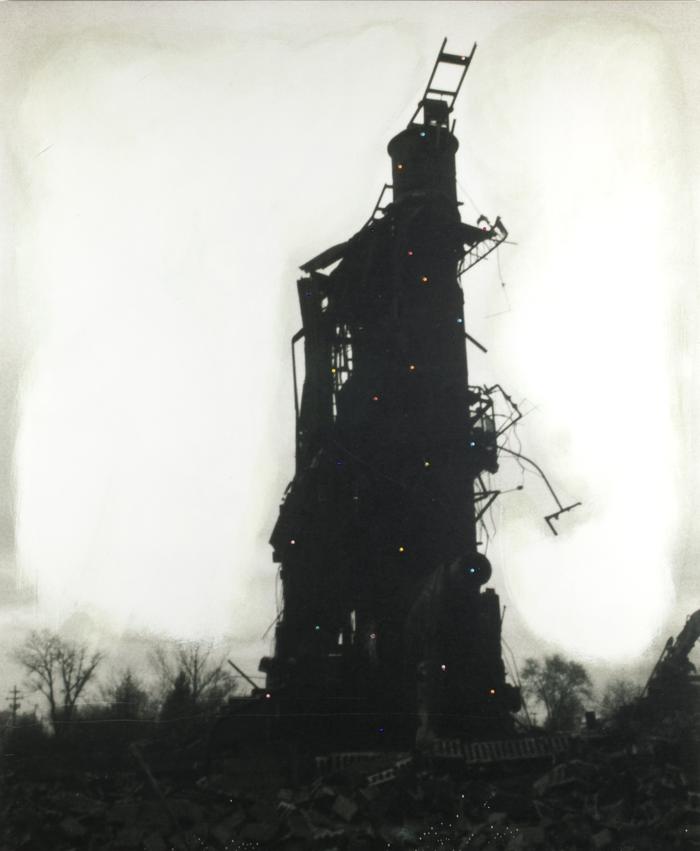
Salvador Dali:Memories of Surrealism Salvador Dali was a leading figure in the Surrealist art movement from the 1920s to the 1970s. Salvador Dali: Memories of Surrealism was a focus exhibition featuring twelve lithographic prints created by Dali in 1971 as a reflection on his long artistic career. |
 |
BLACK LIVES MATTER, BLACK CULTURE MATTERSAugust 18–December 5, 2020 Black Lives Matter, Black Culture Matters featured fifty artworks that address a variety of topics in African American history and culture from the end of the Civil War to the present. The exhibition attempted to provide some historical context for the 2020 Black Lives Matter protests against systemic racism in criminal justice, education, jobs, health care and housing. It was additionally a celebration of Black culture and the many ways that Black culture has enriched American life over the past two centuries. |
|
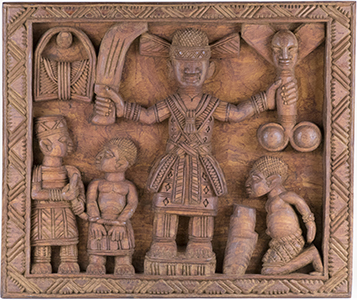
Resilience, Resistance and Revival in 20th-Century Yoruba ArtJanuary 17–December 18, 2020 Resilience, Resistance and Revival in 20th-Century Yoruba Art examined the survival and evolution of Yoruba art and culture in Nigeria through the periods of British colonization and post-colonial independence. The artworks included in the exhibition illustrate how Yoruba art has been shaped by the twin forces of continuity and change through the 20th and into the 21st centuries. Access the Resilience, Resistance and Revival catalog through Hope College Digital Commons. |
Justice. Lamidi Fakeye. 1993. Iroko wood. Gift of Dr. and Mrs. Bruce Haight, 2017.60.1 |
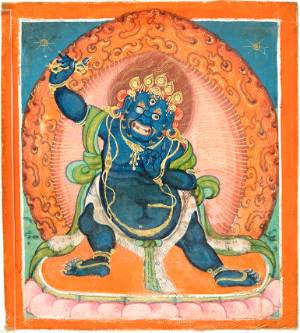
DEITIES AND DEVOTION IN MONGOLIAN BUDDHIST ARTAugust 30–December 14, 2019 Deities and Devotion in Mongolian Buddhist Art explored the role that art plays in the religious beliefs and devotional practices of Mongolian Tantric Buddhism. The exhibition featured 130 paintings, drawings, prints, sculptures and ritual objects from the Kruizenga Art Museum collection and a California private collection. Most of the artworks dated from the 19th and early 20th centuries, and many of the paintings, sculptures and other objects were used in devotional rituals by both ordained clerics and lay believers. Access the Deities and Devotions catalog through Hope College Digital Commons. |
Vajrapani. Mongolian. 19th century. Pigments, gilding on sized cloth. Gift of David Kamansky and Gerald Wheaton, 2014.23.399.1.A-C |
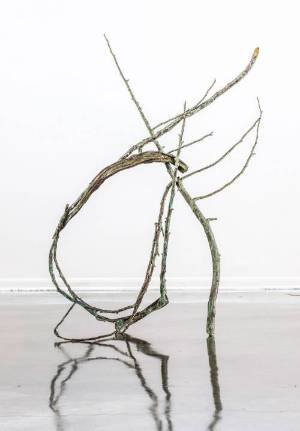
STILL LISTENING:New Sculptures by Todd Erickson Still Listening featured sculptures by Detroit artist and Hope College alumnus Todd Erickson. |
Betsie River II. Todd Erickson (American, b. 1959). 2015. Bronze. Loan courtesy of the artist |
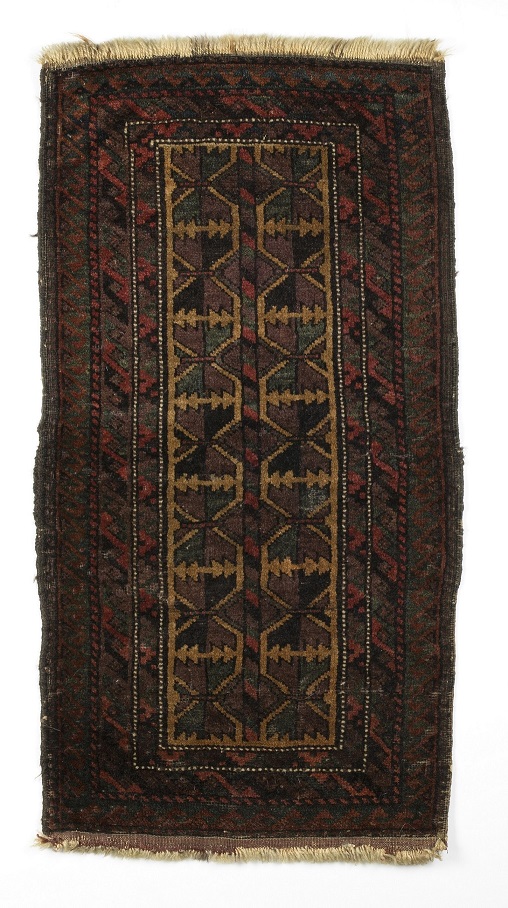
ONCE WERE NOMADS:Textiles and Culture in Baluchistan Once Were Nomads used textiles to examine the traditional life and culture of the nomadic peoples of Baluchistan, a territory that straddles the modern borders of Iran, Afghanistan and Pakistan. The content and presentation of the exhibition was organized in collaboration with Hope College student Caleigh White ’20, whose curatorial work on the exhibition was supported by the Borgeson Scholar Program and the John H. Dryfhout ’64 Internship endowment. Many of the textiles featured in the exhibition were donated to the museum by Verne Trinoskey and Paula Armintrout Trinoskey of Eureka, California, who also provided important historical information and technical analysis of the weaving. |
Bag Face with Tree of Life Design. Baluch. Northeastern Iran. 19th century. Wool. Gift of Verne Trinoskey and Paula Armintrout Trinoskey, 2019.25.29 |
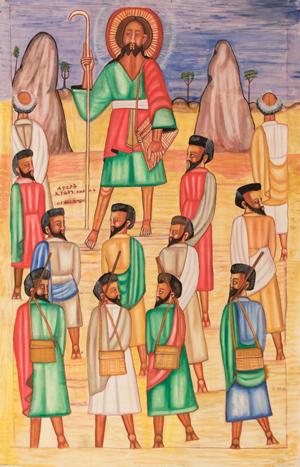
LIVING TRADITION:Contemporary Ethiopian Christian Art from the Sobania Collection Living Tradition explored the beliefs and practices of the Ethiopian Orthodox Church as they are reflected in contemporary paintings, icons, liturgical objects and other works of art. The 67 artworks in the exhibition were collected and donated to the Kruizenga Art Museum by Dr. Neal Sobania, a Hope alumnus from the Class of 1968 who was a Peace Corps volunteer in Ethiopia and later went on to make Eastern Africa the focus of his academic career. Access the Living Traditions catalog through Hope College Digital Commons. |
Jesus and His Apostles Went Up the Mountain. Qes Adamu Tesfaw. 2001-2012. Paint on cloth. Gift of Neal and Elizabeth Sobania, 2018.25.9 |
IN MEMORY:The Art of Billy Mayer In Memory: The Art of Billy Mayer offered a commemorative look at artist and Hope College faculty member Billy Mayer's artwork. Mayer’s art was often inspired by memories of his childhood and other periods throughout his life. Yet while the genesis of the artworks may have come from events and experiences in Mayer’s personal life, Mayer also intended for his work to evoke memories in others, encouraging all to find their own meanings in his art. |
Let Everything Left be for the Stranger, the Orphan, and the Widow (diptych). William R. Mayer (American, June 28 1953 – November 11 2017). 2009. Altered and enlarged polaroids. Gift of Michel Conroy in memory of Billy Mayer, 2018.33.2.A |
CULTURE, COMMERCE AND CRITICISM:500 Years of European and American Prints Culture, Commerce and Criticism was an exhibition curated by Hope College students that explored how artists in Western culture used prints over the past five centuries as vehicles to transmit knowledge, generate income, and critique current events. |
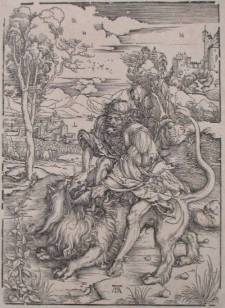
Samson and the Lion. Albrecht Dürer. Printed circa 1497; this impression late 16th century. Woodcut. Hope College Collection, 2016.25.1 |
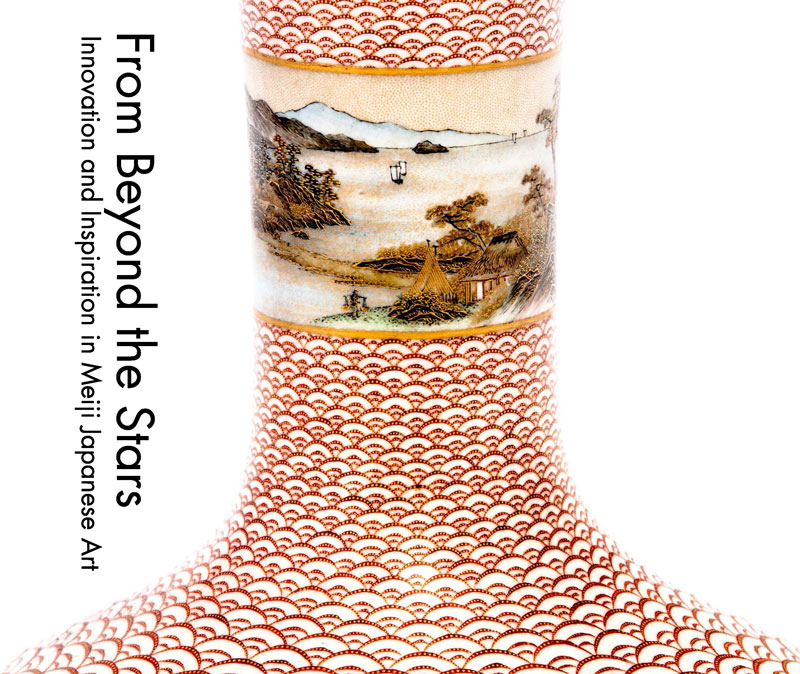
FROM BEYOND THE STARS:Innovation and Inspiration in Meiji Japanese Art From Beyond the Stars: Innovation and Inspiration in Meiji Japanese Art, explored some of the major new developments that occurred in Japanese art during the Meiji period (1868-1912), and revealed how art contributed to the larger political, social and economic changes that transformed Japan into a modern world power at that time. Access the From Beyond the Stars catalog through Hope College Digital Commons. |
 |
ACCESS POINTS:Recent Acquisitions of a Teaching Museum Access Points presented a diverse selection of artworks that were recently acquired by the Kruizenga Art Museum. The exhibition included artworks from Asia, Africa, Europe and America that were either generously donated or strategically purchased since 2014. |
Cloud Garden. Wang Zuojun (Chinese, b. 1960). 1988. Ink, pigment on paper. Gift of David Kamansky and Gerald Wheaton, 2014.23.184 |
GOSPEL STORIES:Otto Dix and Sadao Watanabe Gospel Stories showcased 47 pieces of work from two important 20th century artists — Otto Dix and Sadao Watanabe — who were inspired to engage deeply with the Christian faith as a result of their experiences during World War II and its aftermath. |
The Last Supper. Otto Dix. 1960. Lithograph. Hope College Collection, 2015.58.16 |
AFTER THE RUPTURE:New Directions in Mexican Art, 1960s–1980s After the Rupture featured a selection of 32 paintings, prints and drawings by 15 artists associated with the Rupture Generation — a group of Mexican artists who broke away from the Muralist School and explored a wider range of styles and subjects between the 1960s and 1980s. |
Witchery. Leonardo Nierman (Mexican, b. 1932). circa late 1960s. Oil on board. Purchased with funds donated by the Tulipanes Art and Film Festival in honor of Alfredo and Maria Gonzalez, 2015.56 |
PAST PRESENT EAST WEST:Highlights from the Permanent Collection Past Present East West was the inaugural exhibition at the Kruizenga Art Museum and showcased approximately 70 works of art from the museum's founding collection. The exhibition was divided between the museum's two galleries, with artworks from Europe and the Americas displayed in one gallery, and artworks from Asia displayed in the other. The objects in the exhibition were selected to demonstrate the breadth and educational value of the collection. Most of the artworks were acquired by Hope College since 2010 and had never before been publicly exhibited. |
I Am Not a Geisha. Daniel Kelly (American, b. 1947). 2006. Lithograph and woodcut. Hope College Collection, 2015.28. |


Kruizenga Art Museum271 Columbia AvenueHolland, MI 49423
workP. 616.395.6400
kruizengamuseum@hope.edu